Cloud computing is one example where trust and trustworthiness39 between cloud service providers (CSPs) and a federal agency is critical for the effective application of the NIST RMF. This might require documenting the risk information needed to address the trust requirements in contracts, service level agreements (SLAs), or other forms of legal agreements. The systems development life cycle originally consisted of five stages instead of seven.
The Agile model has existed for a long time, and still hasn’t lost its punch. Lately, the model is widely adopted by organisations, and it is proven to be quite the driving force behind software development. Some companies see so much value in the model that it is used for other projects, including non-technical projects and activities. The SDLC process consists of seven phases, including planning, design, testing, and maintenance. Every phase can be supplemented by various tools to support the phase’s main goal. SDLC done right can allow the highest level of management control and documentation.
The Ultimate Guide to Understanding and Using a System Development Life Cycle
Regulations impact organizations differently, but the most common are Sarbanes-Oxley, COBIT, and HIPAA. In those days, teams were small, centralized, and users were ‘less’ demanding. This type of scenario meant that there was not a true need for refined methodologies to drive the life cycle of system development. However, technology has evolved, systems have become increasingly complex, and users have become accustomed to well-functioning technology. Models and frameworks have been developed to guide companies through an organized system development life cycle. Today, the traditional approaches to technology system development have been adjusted to meet the ever-changing, complex needs of each unique organization and their users.

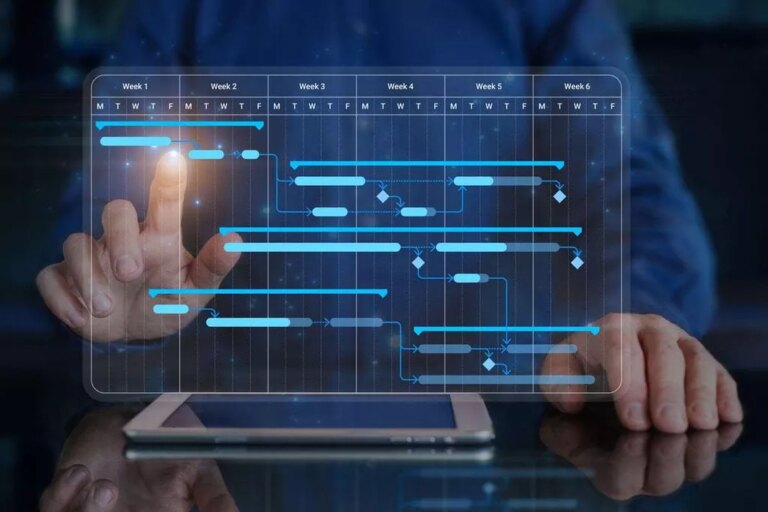
With its customizable spreadsheet interface and powerful collaboration features, Smartsheet allows for streamlined project and process management. Use Smartsheet’s SDLC with Gantt template to get started quickly, and help manage the planning, development, testing, and deployment stages of system what are the stages of the system development life cycle development. Create a timeline with milestones and dependencies to track progress, and set up automated alerts to notify you as anything changes. Share your plan with your team and key stakeholders to provide visibility, and assign tasks to individuals to ensure nothing slips through the cracks.
Stage-2: Defining Requirements
You can use the spiral model to ensure software’s gradual release and improvement by building prototypes at each phase. Once the requirements analysis phase is complete then the design phase starts. This design phase of SDLC process includes the design of system’s architecture, network diagram, databases, user interfaces, and system interfaces. Requirements analysis is the second stage of 7 stages system development life cycle.
TryHackMe SSDLC WriteUp. This room focuses on the Secure … – Medium
TryHackMe SSDLC WriteUp. This room focuses on the Secure ….
Posted: Sun, 17 Sep 2023 22:09:49 GMT [source]
It may also be helpful to choose your first software language to learn. Languages like C# and Java are still in demand by employers, but many new languages are emerging, too. Before choosing a language, you need to know what you want to code, but simple front-end development languages like JavaScript, HTML, and CSS are good places to start. At this step, desired features and operations are detailed, including screen layouts, business rules, process diagrams, pseudocode, and other deliverables. In short, this phase consists of collecting and interpreting facts, diagnosing issues, and proposing improvements for the system. If more people who know and use the system are present, the greater the chances are of finding valuable improvement points.
Software Development Life Cycle Models
However, tests are often postponed until later stages, especially if they are not well integrated and create friction. The system development life cycle component of the course introduces aspects of methodology, the unique phases, and the roles that IT professionals play in the various stages of a project. Students learn how to collect and document requirements, translate them to application design, and trace each project artifact to its original scope. Application lifecycle management (ALM) is the creation and maintenance of software applications until they are no longer required. It involves multiple processes, tools, and people working together to manage every lifecycle aspect, such as ideation, design and development, testing, production, support, and eventual redundancy.
- The testing stage of system development life cycle will ensure that developed system must meets the end user requirements.
- Each stage has a separate project plan and takes information from the previous stage to avoid similar issues (if encountered).
- Once the product is ready to go, it’s time to make it available to its end users and deploy it to the production environment.
- If you want to develop a new system for your organization then should develop the system using 7 stages of SDLC.
- In short, this phase consists of collecting and interpreting facts, diagnosing issues, and proposing improvements for the system.
- After deployment, the launch may involve marketing your new product or service so people know about its existence.
Software developers will monitor the overall system and add the latest security technologies to protect from cyber security threats. Many of these models are shared with the development of software, such as waterfall or agile. Numerous model frameworks can be adapted to fit into the development of software. Each stage has a separate project plan and takes information from the previous stage to avoid similar issues (if encountered). However, it is vulnerable to early delays and can lead to big problems arising for development teams later down the road. Programming languages can include staples such as C++, PHP, and more.
Other methodologies combined with System Development Life Cycle
These properties enhance the management of time and specifications of the project. In fact, each organization may develop its own list of tasks, techniques, and (automated) tools, which can be referred to as “their” methodology. The basic fact finding techniques include questionnaires, interviews, observation, and document collection. Phase 8 of the systems development life cycle is the post-implementation review. This phase identifies whether the system meets the initial requirements and objectives. The objective of the evaluation phase of the systems development life cycle is to deploy the system and train the system end users.

Each of them requires different specialists and diverse skills for successful project completion. Modern SDLC processes have become increasingly complex and interdisciplinary. It’s easy to identify and manage risks, as requirements can change between iterations. However, repeated cycles could lead to scope change and underestimation of resources. The IT Manager, and other stakeholders as appropriate, shall review the completion of major phases of the system and provide formal sign-offs that make them personally liable and accountable for the development. Once the themes have been identified then there are predetermined tasks and techniques to finish the project as defined by the approved methodology of the organization.
Develop career skills and credentials to stand out
The Agile SDLC model separates the product into cycles and delivers a working product very quickly. Testing of each release feeds back info that’s incorporated into the next version. According to Robert Half, the drawback of this model is that the heavy emphasis on customer interaction can lead the project in the wrong direction in some cases.
A key methodology in the creation of software and applications is the systems development life cycle (SDLC). The systems development life cycle is a term used in systems engineering, information systems, and software engineering to describe a process for planning, creating, testing, and deploying an information system. There are many phases involved in the systems development life cycle. The software development lifecycle (SDLC) outlines several tasks required to build a software application. The development process goes through several stages as developers add new features and fix bugs in the software.
Steps in SDLC
“Let’s get this closer to what we want.” The plan almost never turns out perfect when it meets reality. Further, as conditions in the real world change, we need to update and advance the software to match. It enables regular incorporation of feedback, which significantly reduces https://www.globalcloudteam.com/ the time and costs required to implement changes. It is important that you have contingencies in place when the product is first released to market should any unforeseen issues arise. Microservices architecture, for example, makes it easy to toggle features on and off.